
The Italian Art of Living Seasonally


August 6, 2026 | Maja Randall

Introduction

Modern life often encourages us to think of time as something to manage, optimize, and save. Calendars fill quickly, schedules become increasingly crowded, and the passing of seasons can feel almost incidental. Many people move from one obligation to the next with little awareness of the subtle changes unfolding around them.

The Italian countryside offers a different perspective.

Here, life has long been guided not only by clocks and calendars, but by the rhythms of nature itself. The arrival of spring, the warmth of summer, the harvest of autumn, and the quiet restoration of winter are not merely changes in weather. They shape how people eat, gather, work, and celebrate.

Living seasonally is not a trend in Italy. It is a way of life.

Across the countryside, each season brings its own traditions, ingredients, and rituals. Local markets transform throughout the year as produce appears and disappears according to nature's timetable. Families prepare meals based on what is fresh and available. Village festivals mark important moments in the agricultural calendar, connecting communities to the land that sustains them.

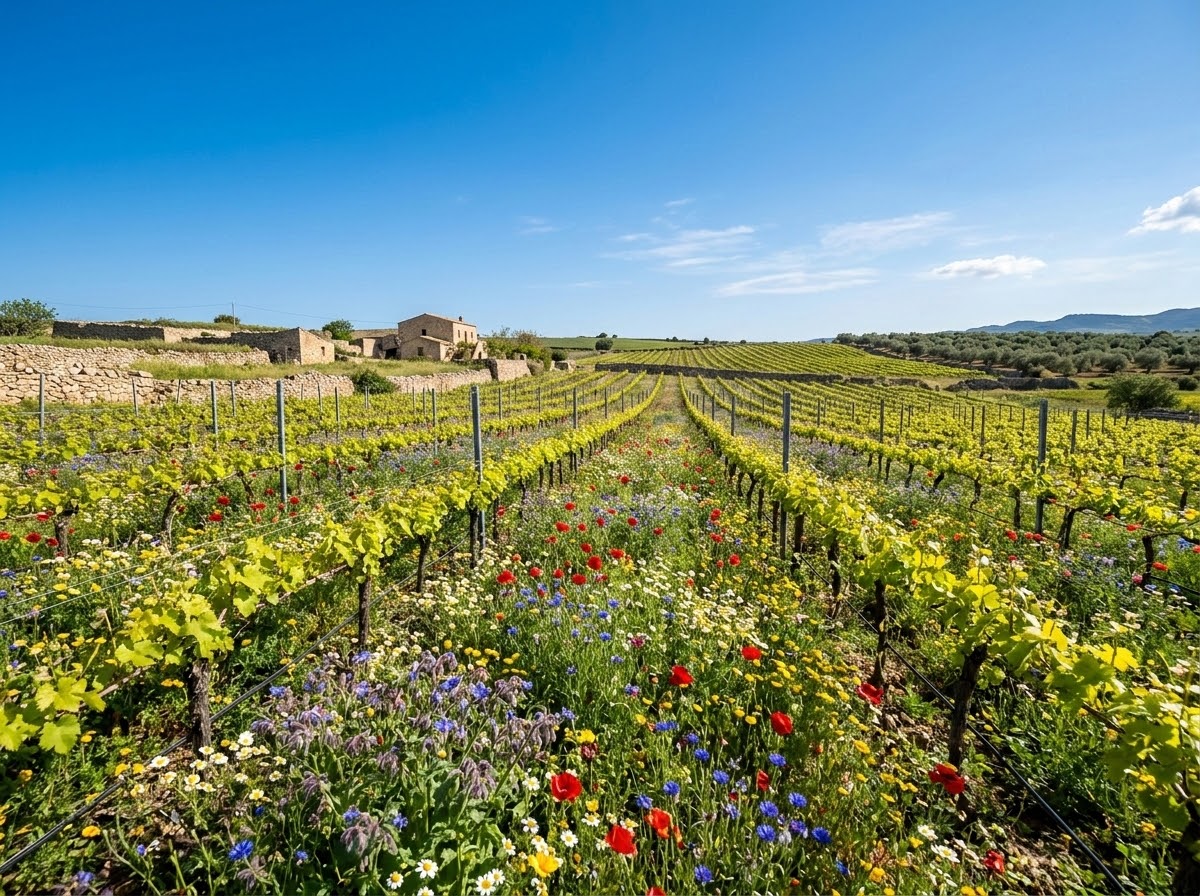
In spring, the countryside awakens.

Vineyards begin to show signs of new growth, their emerald shoots reaching toward the warming sun. Hillsides become vibrant with wildflowers, and the air is thick with the sweet, intoxicating scent of jasmine and citrus blossoms. Farmers emerge from winter's quiet preparation and return their attention to the fields, their hands meeting the damp, fertile earth. There is a feeling of anticipation in the air, a reminder that growth often happens gradually before it becomes visible.

  1. The season invites people to trust in processes that cannot be rushed.

    The season invites people to trust in processes that cannot be rushed.

    Summer arrives with longer days and a slower pace, accompanied by the rhythmic, hypnotic hum of cicadas in the dry grass. Meals move outdoors to sun-dappled terraces where the salt-tinged breeze offers a reprieve from the heat. Families and friends gather beneath pergolas heavy with grapes, ancient olive trees, and shaded stone verandas. Markets overflow with sun-ripened tomatoes, sweet peaches, and the deep purple of eggplants. Conversations linger long after the last drop of chilled white wine has been enjoyed.

  2. The season encourages people to savor.

    The season encourages people to savor.

    Rather than rushing to the next activity, summer invites a deeper appreciation of the present moment. Time is experienced not as a limited resource, but as something to be enjoyed.

    Then comes autumn, perhaps the most celebrated season throughout much of rural Italy.

  3. Harvest begins.

    Harvest begins.

    Vineyards become centers of activity as grapes are carefully gathered under a soft, golden light that bathes the Tuscan hills in amber. The air carries the heady, musty aroma of crushed fruit and turned soil. Olive groves prepare for their own harvest, their silver leaves shimmering in the late afternoon sun. Communities come together, the sounds of laughter and clinking crates echoing through the valleys, to participate in traditions that have been passed from one generation to the next.

    Autumn is a season of gratitude.

    It reminds us that abundance is rarely immediate. The harvest represents months of care, attention, and stewardship. It is a visible reward for work that began long before anyone could predict the outcome.

    Winter brings a different kind of gift.

    The countryside becomes quieter, blanketed in a serene, silver mist. Vineyards rest under a vast, pale sky. Families spend more time indoors, gathered near the crackle of a wood fire while the crisp, sharp chill of the winter air bites at the stone walls outside. Meals become heartier, rich with the scent of slow-simmered ragu and toasted bread, as conversations stretch into the long, peaceful evenings.

  4. In a culture that often celebrates constant productivity, winter serves as a reminder that rest is not the opposite of progress. It is a necessary part of it. Nature understands this instinctively.

    The vineyard does not produce fruit year-round. The olive tree does not remain in harvest forever. Every living thing requires periods of renewal before growth can begin again.

    Perhaps this is one of the most valuable lessons the Italian countryside offers.

    Modern life frequently encourages us to expect continuous achievement, constant availability, and endless acceleration. Yet the natural world operates differently. It moves in cycles rather than straight lines. There are seasons for planting, seasons for growth, seasons for harvest, and seasons for rest.

    A meaningful life may be built in much the same way.

    Growth cannot be forced. Success cannot always be rushed. Rest is not wasted time. Some of life's most important developments occur quietly, beneath the surface, long before they become visible.

    The Italian approach to seasonal living invites us to pay closer attention to these rhythms. It encourages us to eat what is fresh, celebrate what is present, and recognize that every season offers its own form of abundance. There is wisdom in accepting the pace of nature rather than resisting it.

    The vineyard knows this.
    The olive grove knows this.
    The countryside knows this.
    And perhaps, deep down, we know it too.

    In a world that often asks us to move faster, the changing seasons offer a gentle reminder that some things become more beautiful precisely because they take time.