
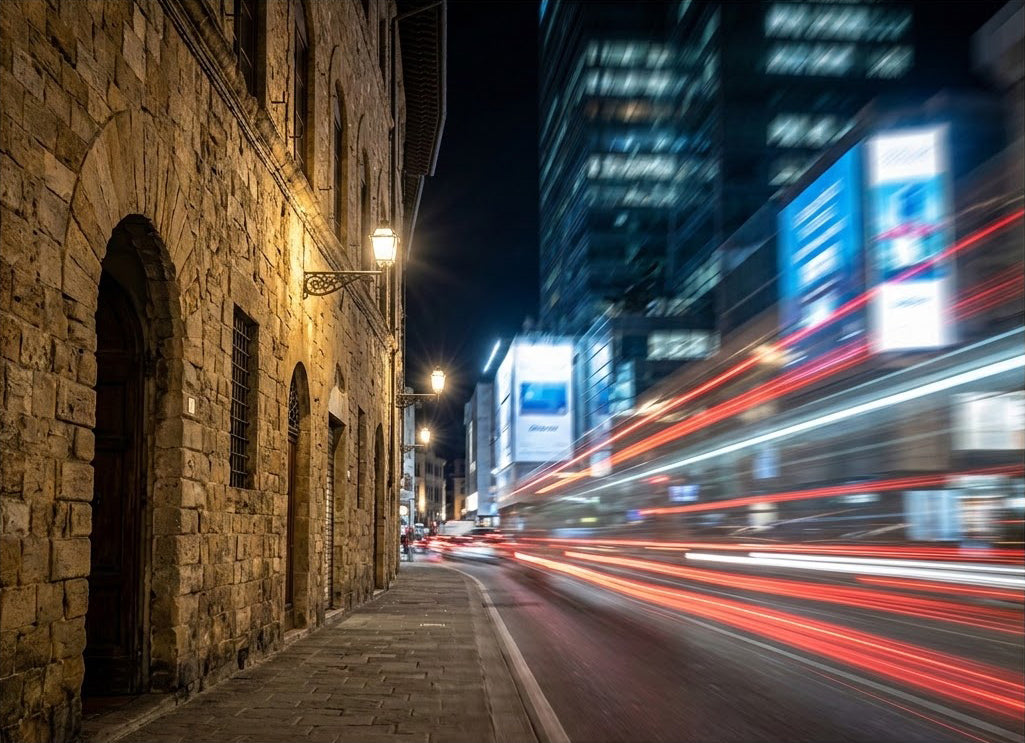
The Wisdom of Slow Traditions in a Fast-Moving World


August 9, 2026 | Maja Randall

Introduction

Every generation believes it is living through a period of rapid change, yet few eras have transformed daily life as dramatically as our own. Technology has streamlined communication and accelerated commerce, making information available almost instantly. Tasks that once required days are now completed in minutes, and distances that once separated people for weeks can be bridged through a simple video call. While these benefits are undeniable, many people find themselves longing for a slower, more grounded existence that feels increasingly elusive in the modern rush.

  1. Tuscany serves as a quiet reminder that speed is not always a marker of value. Across its ancient villages and sun-drenched vineyards, traditions continue to shape daily life much as they have for centuries. These customs endure not merely out of nostalgia, but because they provide a vital sense of meaning and continuity. In a world that often feels fragmented, they offer a necessary anchor.

    These traditions function as a bridge, connecting the present to a shared heritage while securing a path for the future. Whether it is a family recipe passed down through generations, a village festival following medieval customs, or a harvest conducted with techniques refined by decades of intimacy with the land, these practices create a sense of permanence that digital optimization cannot replicate.

  2. This depth is often found in rituals that might appear ordinary: morning coffee at a local café, a weekly visit to the bustling market, or a Sunday lunch shared with extended family. These recurring moments create a rhythm that gives shape to everyday existence. Over time, they evolve from simple habits into cultural anchors, fostering a profound sense of belonging to a community and a history larger than oneself.

    Italian culture recognizes that excellence emerges from honoring natural rhythms rather than disrupting them. Success is found in understanding the process, respecting its pace, and performing small acts of care consistently. Meaning is rarely the result of a single dramatic event; instead, it is built gradually through these recurring moments that strengthen relationships and reinforce core values.

  3. While modern life offers remarkable mobility, it can also foster a sense of impermanence. In an era where jobs change and social connections are often filtered through screens, traditions become even more essential. They provide stability without rigidity and continuity without stagnation, reminding us that progress does not require the abandonment of our roots.

    Furthermore, these traditions are not static. Italians demonstrate that heritage can evolve while preserving its essential purpose. Recipes adapt slightly, festivals incorporate modern flair, and vineyards integrate new technology alongside age-old wisdom. The goal is not to freeze time, but to carry forward the practices that truly matter.

    In essence, slow traditions are acts of stewardship—they protect the knowledge, stories, and relationships that define us. Visitors are drawn to Tuscany not because they seek a perfect past, but because they recognize the beauty of a life connected to history and place. In a fast-moving world, the decision to slow down and participate in these enduring customs is not a step backward; it is a profound way to nourish the human spirit and safeguard the values that make life worth living.