
Why Beauty Matters


August 18, 2026 | Maja Randall

Introduction

Beauty is frequently dismissed as a luxury—something pleasant but non-essential, to be appreciated only when time permits and sacrificed easily in the name of efficiency. Yet, throughout history, humanity has devoted extraordinary effort to creating beautiful places, objects, and experiences. From the soaring arches of cathedrals to the simple grace of a family table, beauty has always held a vital place in the human story.

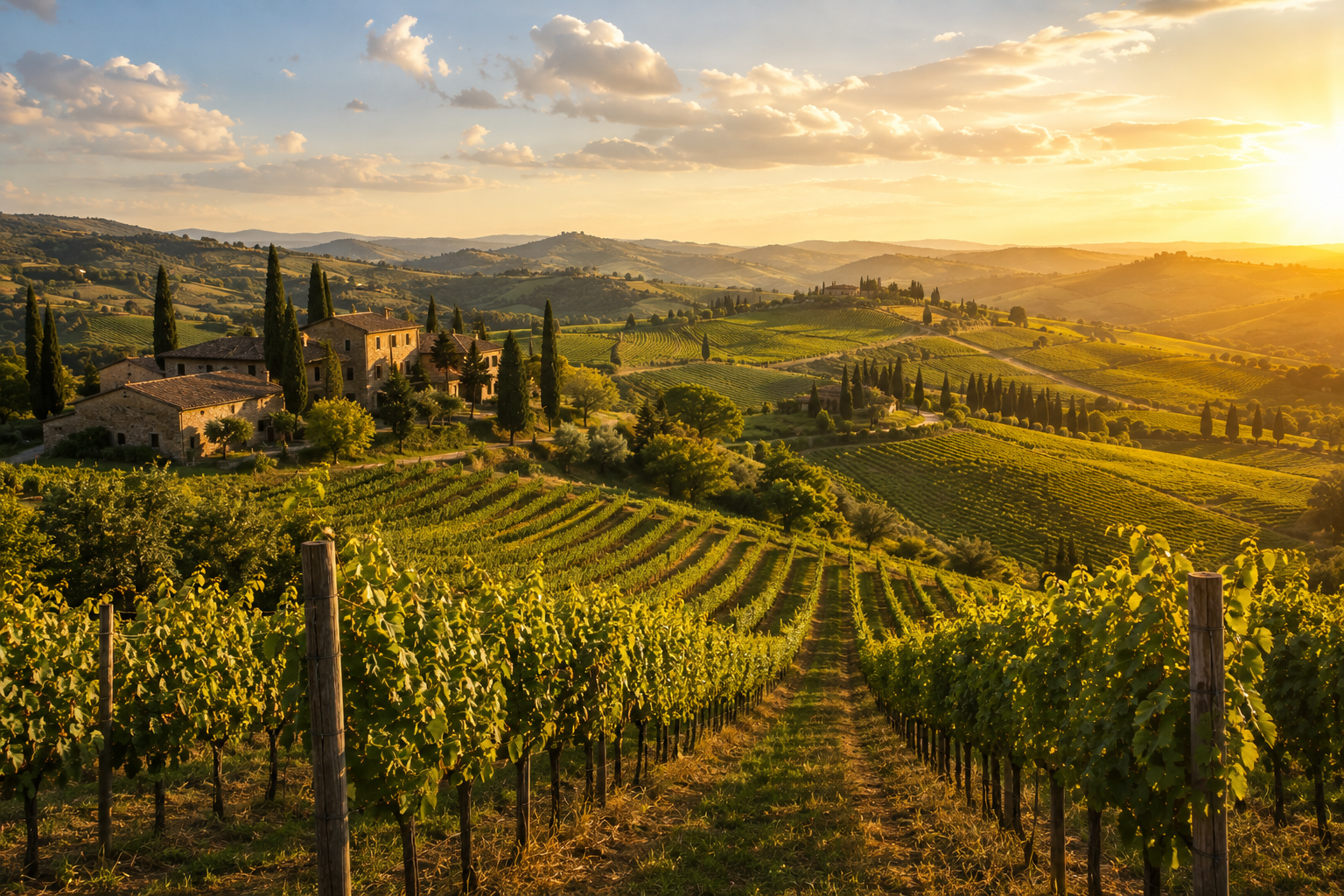
Tuscan life and lifestyle offers a compelling reminder that beauty is far more than mere decoration; it is nourishment. It shapes our perception of the world and dictates how deeply we connect with the people and moments around us. Across rural Italy, this beauty is woven into the very fabric of everyday life, appearing in the weathered stone of a wall illuminated by the sun or the rhythmic rows of vineyards tracing a hillside.

  1. This integration of aesthetics and utility reflects a profound truth: beauty does not require extravagance; it requires attention. Farmhouses built from local stone harmonize with the terrain, and village streets are designed to encourage the slow rhythms of walking and conversation. The result is an environment that feels connected rather than imposed, inviting us to slow down and remain present.

  2. In a world increasingly defined by distractions and the rush for optimization, beauty serves as a necessary anchor. A sunset over the vines or a quiet walk through an ancient olive grove cannot be "optimized"—they simply ask us to be. These moments create the space for reflection, reminding us that life consists of more than just a sequence of tasks and obligations.

    This care for the aesthetic is perhaps most evident around the table. A loaf of bread on a rustic platter or fresh flowers gathered from the garden communicate a sense of stewardship and gratitude. These details elevate a routine meal into an experience of connection, signaling that the moment and the people sharing it truly matter.

  3. Ultimately, the Italian countryside teaches us that beauty and practicality are not competitors, but partners. When we prioritize beauty, we are not indulging in a luxury; we are engaging in an act of respect for the land, our heritage, and ourselves. It transforms the interchangeable into the unforgettable and the routine into the sacred.

    Beauty is the lens through which we recognize the value of existence. It is not an ornamental addition to be considered after the "real work" is done; it is the fundamental quality that makes the work worth doing. By choosing to cultivate beauty in our surroundings and our rituals, we choose a more enduring richness to life. Beauty is not a luxury we can afford to lose; it is the very way we remember what makes life worth living.